
Understanding Successful Trades versus Fortunate Ones
In the complex and often unpredictable world of trading, distinguishing between a well-executed trade and a merely fortuitous one is pivotal for those aspiring to achieve long-term success. This fundamental understanding aids traders in honing their skills and developing strategies that go beyond mere chance. In the following sections, we delve deeper into the distinctive features that separate a good trade from a lucky one.
Strategic Planning and Analysis
At the foundation of any good trade lies strategic planning and comprehensive analysis. Successful traders don’t venture blindly into the market. Instead, they embark equipped with a robust plan and detailed analyses. These traders make use of various analytical tools, adopting both technical and fundamental approaches to predict market behavior with greater accuracy.
Analyzing technical aspects involves examining price charts and patterns over different time frames. Traders become adept at identifying trends, support and resistance levels, and specific trading signals. On the other hand, fundamental analysis considers broader economic data, corporate news, and geopolitical events that might impact market movements. Through in-depth study and interpretation of these elements, traders can make informed decisions that enhance the likelihood of successful outcomes. In stark contrast, a lucky trade usually lacks this meticulous groundwork, often relying heavily on sheer chance, with the trader having little to no control over the outcome.
Risk Management Practices
One of the key elements that characterize a good trade is effective risk management. Traders employ various strategies to manage and mitigate the risks associated with trading. Setting distinct stop-loss and take-profit levels is a common practice that ensures a single trade doesn’t negatively impact their portfolio. This disciplined approach allows traders to control potential losses while optimizing potential gains.
Professional traders often risk only a small percentage of their portfolio on a single trade, adhering to the principle that preservation of capital is paramount. This prudent approach contrasts sharply with the method of those relying on lucky trades, where gains may occur without any protective measures in place. Such unprotected trades could potentially lead to significant losses, wiping out previous gains and revealing the lack of a sound risk management strategy. For those interested in exploring more about risk management strategies, further resources can be accessed here.
Consistency in Performance
Consistency represents a significant marker of trading proficiency. Skilled traders exhibit a repeated pattern of positive results over time, which is indicative of refined techniques and strategic acumen, rather than mere happenstance. This consistency is often a reflection of disciplined adherence to a well-conceived trading plan and a deep understanding of market dynamics.
On the contrary, a lucky trade is typically a solitary event, one that does not accurately portray an individual’s overall trading capability. Fortunate trades might occasionally produce impressive results, but they fail to provide a reliable foundation for sustained success. Consistent performance, built on skill and strategy, offers a more stable and predictable path towards wealth accumulation in trading.
Emotional Discipline
Crucial to distinguishing a good trade from a lucky one is the aspect of emotional discipline. A seasoned trader understands the importance of separating emotions from trading activities, as emotional detachment ensures that decisions are not impulsive and are unaffected by fear or greed. Such emotional discipline prevents traders from making rash decisions in the heat of market fluctuations, which can lead to disastrous consequences.
Lucky trades are often accompanied by emotionally driven decisions, where traders might act impulsively under the pressures of the market without a clear strategy. This reliance on luck rather than strategy often results in significant losses over time. Emotional discipline, therefore, becomes a core attribute that helps good traders maintain a balanced perspective and make rational decisions.
Learning and Adaptation
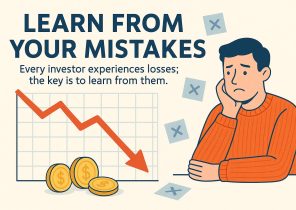
Finally, the ability to learn and adapt from every trade distinguishes a skilled trader from one who succeeds merely by chance. Successful traders are committed to a process of continuous learning. They meticulously review each trade, regardless of whether it was profitable or not, to glean valuable insights into what worked and what didn’t. This reflective practice allows them to refine their strategies and adapt to the ever-evolving market landscapes.
On the other hand, those who rely primarily on luck may not take the time to acknowledge or learn from their mistakes. This lack of reflection often leads to repeated errors and, consequently, missed opportunities for improvement. The capacity to learn and adapt is what allows skilled traders to evolve over time, incorporating new knowledge into their trading arsenal and better equipping themselves to face future challenges.
In conclusion, understanding the distinctions between successful and lucky trades is integral to developing a sound trading approach. By focusing on strategic planning, risk management, consistency, emotional discipline, and continuous learning, traders can steer towards making informed decisions that promote sustained success, reducing their dependency on luck alone. The pursuit of skillful trading not only enhances the potential for financial gain but also contributes to the development of a disciplined and resilient trading mindset.
This article was last updated on: September 18, 2026