
Introduction
At the end of each trading day, reviewing trades is a crucial practice for any serious trader looking to improve their strategies and outcomes. By systematically assessing past trades, traders can gain insights into their performance, identify mistakes, and refine their approach for future transactions. This article outlines the key rules for reviewing trades effectively.
Record All Trades
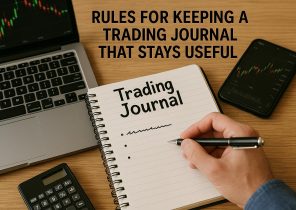
The first and foremost rule is to maintain a detailed record of all trades. Each trade should be logged with essential information, such as entry and exit points, trading volume, and the rationale behind the trade. This comprehensive record serves as the foundational database for assessment and analysis. Having a meticulously recorded history of trades allows traders to trace back their decisions and evaluate the effectiveness of their strategies in varied market conditions.
A well-maintained trade journal can serve not only as an analysis tool but also as a source of motivation, showcasing the journey of a trader’s growth over time. Traders should consider noting down any external factors impacting their trading decisions, such as news events, as well as their emotional state at the time of each trade, as these elements can significantly affect decision-making processes.
Analyze Trading Results
Analyzing both winning and losing trades is crucial. Start by reviewing each trade’s outcome, comparing it against the initial strategy. Determine the factors that contributed to the success or failure of a trade. This analysis should include market conditions, timing, and the trader’s emotional state. By identifying patterns, traders can understand what works and what doesn’t, allowing better decision-making for future trades.
Understanding the relationship between the market conditions and the results of trades provides a nuanced view of market dynamics. Note whether the market was trending or range-bound and how such conditions influenced the trade’s result. Was a trade more successful because of a predetermined factor like a favorable earnings report, or did unforeseen geopolitical news cause a sharp reversal?
Identify Mistakes and Areas for Improvement
A critical aspect of trade review involves admitting errors and recognizing areas for improvement. Traders should ask themselves questions such as: Did I follow my trading plan? Was I influenced by emotions? Did I misinterpret market signals? Addressing these questions helps in cultivating a discipline that minimizes repeated mistakes.
Admitting mistakes is not an easy task, but it is a necessary step in the learning process. By understanding where the misstep occurred—be it in analysis, execution, or timing—traders can develop corrective measures. It’s important to not only identify the mistakes but also to create actionable steps to remedy them. Such proactive measures can significantly enhance trading outcomes over time.
Compare Against Trading Plan
Each trade should be compared against the original trading plan. The plan acts as a benchmark for decision-making, ensuring that emotions don’t lead to impulsive decisions. Evaluating if the trade adhered to the plan’s guidelines will help in refining the plan and aligning future trades with it.
Deviations from the trading plan should be scrutinized carefully. Was there a valid reason to stray from the initial strategy, or was it a lapse in discipline? This self-assessment can be instrumental in strengthening commitment to the trading plan, ensuring that future trades are not swayed by momentary emotional impulses. Moreover, it aids in refining the plan itself, as persistent deviations might indicate an area where the plan requires adjustment or improvement.
Evaluate Risk Management
Risk management is a cornerstone of successful trading. Review trades to ensure that appropriate risk management strategies were applied. Check if stop-losses were used appropriately and if position sizes were correctly calculated based on risk tolerance levels. Effective risk management often differentiates successful traders from their less successful peers.
Assessing risk management techniques involves evaluating whether the measures put in place to protect capital were sufficient and adhered to in practice. Traders should consider whether they became overexposed to riskier positions without a balanced hedge or protective measures. This evaluation helps in sharpening a trader’s focus on preserving capital and making informed, calculated risk decisions rather than speculative gambles.
Utilize Trading Tools and Resources
Leverage trading tools and resources for more effective trade reviews. Software tools can assist in analyzing trading data, identifying patterns, and suggesting actionable insights. Utilizing these tools can provide additional perspectives that might not be immediately apparent through manual analysis. For further reading on integrating such tools, you might find this external article insightful.
While manual analysis is invaluable, the assistance offered by trading software can enhance the depth of analysis. These tools can automate routine tasks, analyze large datasets efficiently, and offer predictive insights based on historical patterns. However, the key lies in integrating these insights with one’s personal experience and judgment. This combination allows a trader to harness the technological advantages while maintaining a human touch in decision-making.
Continual Learning
The trading landscape is ever-evolving, necessitating continual learning. After reviewing trades, consider upgrading your skills and knowledge through courses, webinars, and online resources. Keep abreast of market trends and new trading techniques that can augment your strategies.
Continuous learning doesn’t merely involve staying updated with market trends but also entails understanding the evolution of trading strategies and economic conditions globally. By attending webinars, engaging with e-learning platforms, and participating in trading forums, traders can gain diverse perspectives and incorporate new methodologies into their practice, ensuring that they remain adaptable and proficient in an ever-shifting market.
Conclusion
Incorporating a structured review process at the end of each trading day is essential for ongoing trading improvement. By recording trades, analyzing outcomes, identifying mistakes, evaluating risk management strategies, and continually learning, traders can substantially enhance their performance. Implementing these trade review rules systematically can transform reflections into actionable strategies that foster trading success.
Success in trading is often the result of consistent effort, diligent review, and relentless improvement. By committing to regular trade reviews, managing risks wisely, and updating strategies based on learned experiences, traders can create a resilient and refined approach to their market activities. This structured reflection nurtures both personal growth and professional success in the fast-paced world of trading.
This article was last updated on: May 8, 2026