
Understanding the Importance of Patience in Trading
In the realm of trading, patience is a critical trait that significantly impacts success. Patience between setups involves waiting for the right moment to execute trades, rather than acting impulsively. This approach helps in making more informed decisions, ultimately leading to better trading outcomes.
Recognizing When to Wait
Successful traders develop an acute sense of when to stay out of the markets. It’s essential to distinguish between times when the market is ripe for opportunities and when it demands waiting. Understanding market conditions and recognizing volatile periods can prevent hasty decisions that lead to losses. Patience, in this context, means having the restraint to avoid making trades during such unpredictable times, which might result in unwise financial decisions. This restraint allows traders to conserve their capital for more promising opportunities.
Developing a Strategy
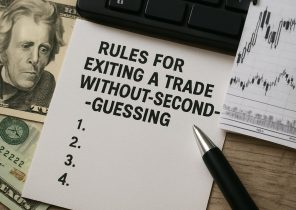
Building patience involves having a robust trading strategy in place. This includes setting clear entry and exit points, which are grounded in thorough market analysis. Traders can utilize tools such as chart patterns and technical indicators to help identify optimal setups. A well-devised strategy serves as a guideline, ensuring that traders do not succumb to emotional decision-making. Developing a strategy requires an understanding of the different trading methodologies and the discipline to stick to them, even when market movements seem tempting. It involves an intricate balance of analysis, forecasting, and strategic planning.
Setting Realistic Goals
Setting achievable and realistic goals is vital in fostering patience. By focusing on long-term objectives rather than short-term gains, traders can maintain a disciplined approach. Short-term fluctuations are inevitable, and patience aids in riding through these periods without veering off course. Traders who set and adhere to realistic goals are less likely to make rash decisions based on panic or greed. Realistic goal-setting works as a protective measure against the stress associated with missed opportunities or temporary market downturns.
Practicing Self-Discipline
Patience is closely related to self-discipline. Traders should monitor their emotions and maintain composure even during market turbulence. Self-discipline ensures adherence to the trading plan and prevents impulsive decisions that do not align with established goals. Traders who practice self-discipline can better accept losses as a part of the trading journey, maintaining emotional equilibrium to wait for better trading conditions. The significance of self-discipline cannot be overstated; it is a bedrock that supports the structural integrity of patience.
The Role of Continuous Learning
Continual education is essential in cultivating patience. By staying informed about market trends and updates, traders can make educated decisions. Resources such as Investopedia offer valuable insights into trading techniques and market analysis. As market dynamics evolve, so too should a trader’s knowledge. This commitment to learning allows traders to adapt their strategies, ensuring they remain relevant and effective. Continuous learning also involves reassessing trading philosophies and methodologies to find those best suited to current market conditions.
Implementing a Feedback Loop
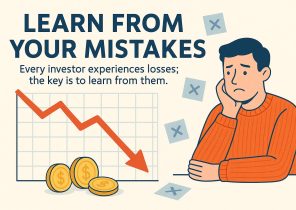
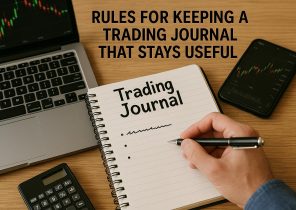
Evaluating past trades assists in building patience. Analyzing what worked and what didn’t helps traders refine their strategies and underscores the importance of waiting for the right setups. Keeping a trading journal can be a helpful tool in this reflective process. By maintaining detailed records, traders can identify patterns in their decision-making processes that may have previously gone unnoticed. These insights provide valuable lessons that refine one’s trading approach, reducing the probability of future impulsive errors. The feedback loop creates a continuous cycle of improvement and patience cultivation.
Importance of Breaks and Relaxation
Taking regular breaks from trading is an effective way to manage stress and maintain patience. It prevents burnout and helps in viewing the market with a fresh perspective. Activities that promote relaxation, such as meditation or light exercise, can also enhance mental clarity. These practices support physical and mental well-being, which in turn aids in maintaining emotional equilibrium and sharp focus during trading activities. By taking breaks, traders return to the market rejuvenated, capable of making decisions with a calm, clear mind.
Technology and Tools for Support
Utilizing technology can aid in building patience. Trading platforms offer alerts and automated features that help traders wait for specific conditions before executing trades. These tools provide reminders and assist in maintaining discipline. By setting predetermined conditions under which trades are initiated, traders reduce the risk of yielding to impatience by hastily entering trades based on fleeting opportunities. Technology facilitates objective adherence to strategy, allowing traders to base decisions on systematic analysis rather than reactive impulses.
Conclusion
Patience between trading setups is not merely about waiting; it involves a strategic, disciplined approach supported by knowledge and technology. By focusing on long-term goals, continuing to learn, and evaluating past experiences, traders can enhance their patience and improve their overall trading performance. The confluence of these factors emphasizes the critical role of patience as a foundational pillar in successful trading, ensuring traders cultivate resilience and strategic foresight to navigate the complex and often challenging markets effectively.
This article was last updated on: August 14, 2026