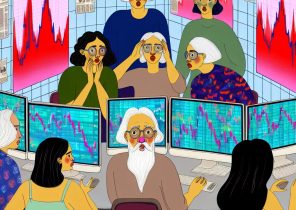

Understanding the Importance of Letting Strong Trades Breathe
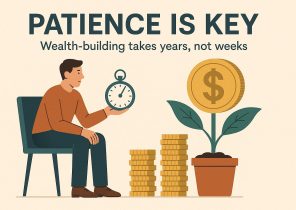
In the world of trading, cultivating patience can often be the key to maximizing profits. Allowing strong trades to breathe means giving your investments the time and space to reach their full potential. This strategy is crucial for traders who aim for sustainable success. By understanding and embracing this concept, traders can enhance their overall performance in the market.
Defining Strong Trades
A strong trade is characterized by its potential for significant profit based on thorough analysis and research. These trades are identified through various indicators. Recognizing strong trades requires a deep understanding of various aspects of the market. Traders often rely on a combination of fundamental strength indicators, technical patterns, or existing market trends. Each of these factors plays a critical role in evaluating the potential profitability of a trade.
Fundamental strength involves examining a company’s financial health, industry position, and growth prospects. Technical patterns, on the other hand, focus on historical price movements and chart patterns to predict future trends. Market trends involve understanding broader economic, political, and social influences that may impact the asset’s value. By staying vigilant and continuously updating their knowledge, traders can enhance their ability to identify strong trades.
The Role of Emotional Control
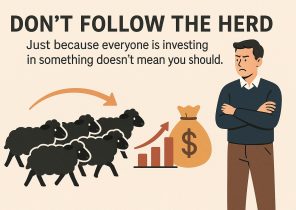
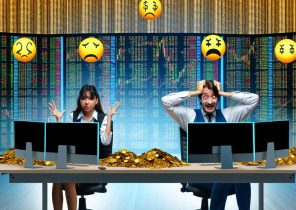
One of the most challenging aspects of trading is managing emotions. The ability to control emotions is crucial since market fluctuations can lead to reactions that contradict a trader’s initial strategy. Overreacting to market fluctuations can lead to premature selling, which may prevent a strong trade from reaching its optimal value.
Emotional discipline is vital to allow trades to breathe, and traders must develop strategies to mitigate impulsive decision-making. Methods such as mindfulness, journaling trading experiences, or having a pre-defined trading plan can help maintain emotional control. These strategies enable traders to make rational decisions, grounded in research and analysis, rather than emotions.
Utilizing Stop Loss and Take Profit Levels
To ensure that strong trades are allowed the opportunity to realize their maximum potential, traders often use stop loss and take profit orders. These tools help in managing risk by setting predetermined exit points, which protect against catastrophic losses while also safeguarding potential gains. Implementing these orders properly requires a deep understanding of one’s trading strategy and market behavior.
Stop Loss
The stop loss order acts as an insurance policy against significant downturns in market conditions. It automatically sells the asset when it hits a certain price, capping the loss. By judiciously setting stop loss limits, traders can empower themselves to stay invested in strong trades without undue concern over unexpected market drops.
Clever placement of a stop loss order can effectively protect a position from adverse price movements without hindering the trade’s potential. Traders may consider volatility, recent price levels, and support or resistance levels when determining where to place a stop loss order. It’s a delicate balance to provide protection while allowing the trade enough room to fluctuate naturally.
Take Profit
Conversely, a take profit order exits the trade once it reaches a profit threshold determined by the trader. This ensures that gains are locked in before any adverse market movements might erode them. Take profit orders can be particularly useful in volatile markets where swift changes in price are common.
Setting take profit orders requires a thorough understanding of the asset’s price behavior, anticipated market movements, and individual profit goals. Traders might adjust these levels as part of a broader strategy to balance risk and reward effectively, all the while factoring in potential shifts in broader market conditions.
Analyzing Market Conditions
Strong trades are often influenced by broader market conditions. Understanding the current economic environment and geopolitical factors can aid traders in making informed decisions about their trades. Regular analysis of market trends will help identify when to hold steadfast and when to exit a trade.
A comprehensive approach to market condition analysis involves considering various factors such as interest rates, employment rates, and international trade policies. Traders may also analyze historical data to anticipate potential future market behavior. By maintaining a holistic view of the market, traders can make well-informed decisions that enhance their trading outcomes.
Staying Informed and Flexible
The markets are dynamic, and traders must remain informed about changes that might affect their trades. Sources of information can include financial news, expert analysis, and technical data. The continuous evolution of market conditions demands that traders adopt a proactive approach to acquiring knowledge.
Additionally, maintaining flexibility in your trading strategy enables adaptation to new information and evolving market conditions. Being ready to adjust strategies as new data becomes available is crucial. Embracing flexibility can enhance a trader’s ability to navigate unexpected market shifts and capitalize on emerging opportunities.
Conclusion
Letting strong trades breathe is a nuanced practice that combines patience, discipline, and strategic analysis. By establishing clear parameters for exiting trades, managing emotions, and understanding market conditions, traders can optimize their trading results. It’s essential for traders to integrate these various elements cohesively to achieve sustainable success.
Incorporating these principles into trading habits ensures a well-rounded approach that balances risk and reward effectively. For more information on trading strategies and tools, consider visiting finance-related websites or consulting with professional financial advisors. Engaging with a broad spectrum of resources provides a foundation for continued learning and improvement in the trading realm.
This article was last updated on: August 7, 2026