
Understanding Bad Trades and Disciplined Losses
In the intricate world of financial trading, distinguishing between a *bad trade* and a *disciplined loss* is not just an exercise in semantics—it’s a crucial part of achieving long-term success. While both scenarios inevitably result in financial losses, the underlying causes and ramifications differ significantly. Understanding these differences empowers traders to refine their strategies, enhancing decision-making in the process.
Characteristics of a Bad Trade
Bad trades are primarily a result of poor decision-making. This can arise from various factors, each contributing to an overall negative outcome due to lackluster preparation or hasty execution.
1. Emotional Decision-Making: The financial markets often instigate heightened emotional responses, which can cloud judgment. When rooted in emotions such as fear of missing out (FOMO), greed for quick profits, or anxiety over market movements, decisions can lead traders down the path of bad trades. These emotions may manifest in behaviors like holding onto losing positions for far too long due to the hope of a market turnaround, or jumping into trades impulsively without solid rationale or adequate market justification.
2. Lack of Research: A significant component of avoiding a bad trade is conducting thorough research. When traders bypass the analytical phase, they may make uninformed decisions based on incomplete data or mere speculation. Proper research involves examining relevant financial data, understanding market trends, and taking into consideration recent economic events that could affect market conditions.
3. Ignoring Risk Management: Risk management is a cornerstone of successful trading strategies. Ignoring risk management principles, such as setting rigorous stop-loss orders or adhering to predefined account risk limits, can lead to escalated losses. Traders neglecting these principles might find themselves overexposed to market volatility, leading to potential financial jeopardy.
Features of a Disciplined Loss
Disciplined losses, on the other hand, occur despite careful adherence to a trader’s well-thought-out strategies and plans. Losses are an unavoidable aspect of trading, and disciplined traders acknowledge this reality, approaching it as an integral component of the trading lifecycle.
1. Sticking to the Plan: A structured trading plan includes specific entry and exit strategies, alongside comprehensive risk management guidelines. A disciplined loss arises when a trader follows this plan diligently. Even when losses occur, staying faithful to the plan demonstrates commitment to a strategy rather than succumbing to impulsive decision-making.
2. Accepting Market Conditions: Market dynamics are inherently unpredictable, and sometimes even the best-researched trades fall short of success. Disciplined traders are able to recognize when market conditions do not favor their trades, and are prepared to accept losses when their predetermined criteria are not met.
3. Learning Opportunity: For disciplined traders, each loss serves as a critical learning opportunity. Analyzing what went wrong in a trade, considering broader economic or market factors, and refining future strategies are part of the continuous learning curve that aspiring traders must undertake. This approach allows the trader to grow and improve over time, enhancing their chances of profitability in subsequent trades.
Practical Steps to Distinguish Between Them
To effectively differentiate between bad trades and disciplined losses, traders can institute several practical strategies:
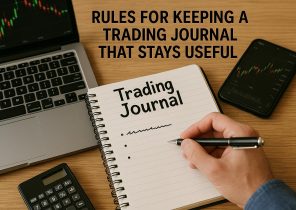
Maintain a Trading Journal: Keeping a meticulous record of each trade, detailing the trade’s rationale, its execution, and resultant outcomes, is an invaluable practice for traders. It aids in uncovering patterns, recognizing the emotional or analytical triggers that precede bad trades, and identifying disciplined losses.
Review and Reflect Regularly: Regular trade reviews are essential for a trader seeking to understand their adherence to trading plans and risk management protocols. This reflective practice helps isolate emotionally-driven errors from disciplined strategies, offering insights for personal growth and strategy adjustment.
Set Clear Guidelines: Establishing concrete, consistent rules for trade entry and exit ensures traders have a roadmap to follow. Confirming that trades adhere to these predefined rules is critical in maintaining discipline and avoiding emotional pitfalls.
Further resources and expert analyses are available on numerous financial education platforms, providing more detailed insights into improving trading strategies.
Conclusion
The ability to differentiate between a bad trade and a disciplined loss is a skill that all traders should cultivate to enhance their trading acumen. By focusing on maintaining emotional discipline, engaging in rigorous analysis, and embracing a commitment to ongoing learning, traders build stronger, more adaptive strategies, ultimately improving their probability of financial success. This understanding not only helps prevent unnecessary emotional upheaval but also contributes to thoughtful, strategic decision-making in the ever-turbulent financial markets.
This article was last updated on: September 25, 2026