
Understanding Trade Exit Strategies
Exiting a trade effectively is as crucial as entering one. For traders, ensuring the decision to exit is just as informed and systematic can prevent excessive losses and protect profits. By establishing clear rules for exiting trades, traders can minimize second-guessing and focus on consistent long-term success. A well-thought-out exit strategy is integral to the management of trades as it determines how and when to exit a position based on well-defined criteria.
Set Predetermined Exit Criteria
Before entering a trade, establish clear criteria that will determine when you should exit. These criteria can be based on technical indicators such as moving averages, resistance levels, or specific chart patterns. The goal is to create a predefined plan that removes emotion from the trading decision. Many traders use stop-loss and take-profit orders to automate this process, ensuring that trades are exited once certain conditions in the market are met.
A good example of predetermined exit criteria might include setting targets considering both technical and fundamental analysis. With technical indicators, traders can ascertain points where the probability of a price reversal is high. Fundamental analysis might include economic indicators or announcements that could affect the underlying asset’s value.
Use Stop-Loss and Take-Profit Orders
Stop-loss orders are a fundamental tool for managing risk in trading. By setting a stop-loss order at a predetermined level, you ensure that your losses are limited to an acceptable level if the market moves against you. For instance, if you set a stop-loss at 5% below your entry point, you limit your loss if the market turns against your position. Similarly, take-profit orders let you lock in gains when the market reaches a favorable position. These orders can be placed strategically based on key resistance levels or anticipated market movements to maximize returns without holding onto trades for too long. Utilizing these orders can help traders avoid the pitfalls of holding onto trades for too long, either from fear of missing out on further profit or hoping that a losing trade will turn around.
Monitor Trading Signals Regularly
While having predefined exit strategies is essential, regularly reviewing the underlying signals can provide confirmation. Monitoring trading signals ensures that your strategy remains aligned with current market conditions. For example, if you notice significant changes in volume, trends, or macroeconomic factors, it might be prudent to reevaluate your existing parameters. However, it’s important not to let new information lead to impulsive decisions that might contradict your initial plan without careful consideration. By doing so, traders can stay ahead of market fluctuations and adjust their exit strategies to hedge potential risks.
Document and Review Trades
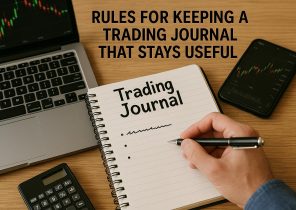
Maintaining a detailed log of your trades allows you to analyze past decisions, both successful and unsuccessful. Documentation should include details such as entry and exit points, reasons for entering the trade, initial risk level, adjustments made, and outcomes. By reviewing these logs, you can identify patterns or recurring scenarios where adjustments to your exit strategy could be beneficial. Analyzing historical data helps in refining future strategies and reduces the likelihood of second-guessing when trading in real-time. Such analysis is essential for continual improvement and learning from past mistakes or successes, ensuring better decision-making in the future.
Maintain Emotional Discipline
Emotional discipline is critical when exiting trades. Market conditions can change rapidly, often leading to emotional responses that could impair judgment. For instance, a sudden market drop might invoke panic, causing an impulsive exit that does not align with your strategy. In moments of high volatility or when facing unexpected news, sticking to your predetermined plan helps maintain objectivity. Reinforcing your discipline ensures consistency in decision-making, reducing the risk of actions based on fear or greed. Regularly practicing emotional control can enhance trade efficiency, keeping emotions in check even during the most tumultuous times.
Utilize Technology and Alerts
With advancements in trading platforms, traders can set alerts to stay informed about market conditions affecting their positions. Notifications help manage trades proactively, even when not actively monitoring the market, thereby minimizing emotional reactions to sudden price movements. Advanced platforms offer personalized alerts for price movements, technical indicator thresholds, or specific news announcements. This utilization of technology enhances a trader’s ability to respond promptly and tactically to market developments, ensuring that actions align closely with predefined exit strategies and remain free from emotional bias.
In Conclusion
Having clear and consistent rules for exiting a trade is a foundational aspect of successful trading. Exit strategies are not only about cutting losses or taking profits but ensuring that decisions are systematic, objective, and aligned with broader trading goals. By utilizing technical tools like stop-loss and take-profit orders, reviewing trades, maintaining emotional discipline, and using technology effectively, traders can reduce the impulse to second-guess decisions. Implementing a systematic approach will not only foster a robust trading strategy but also promote sustainability in the trading journey. In essence, an effective exit strategy is as critical as any other component of the trading plan, ensuring that traders remain on a path toward achieving their financial objectives methodically and strategically.
This article was last updated on: May 1, 2026